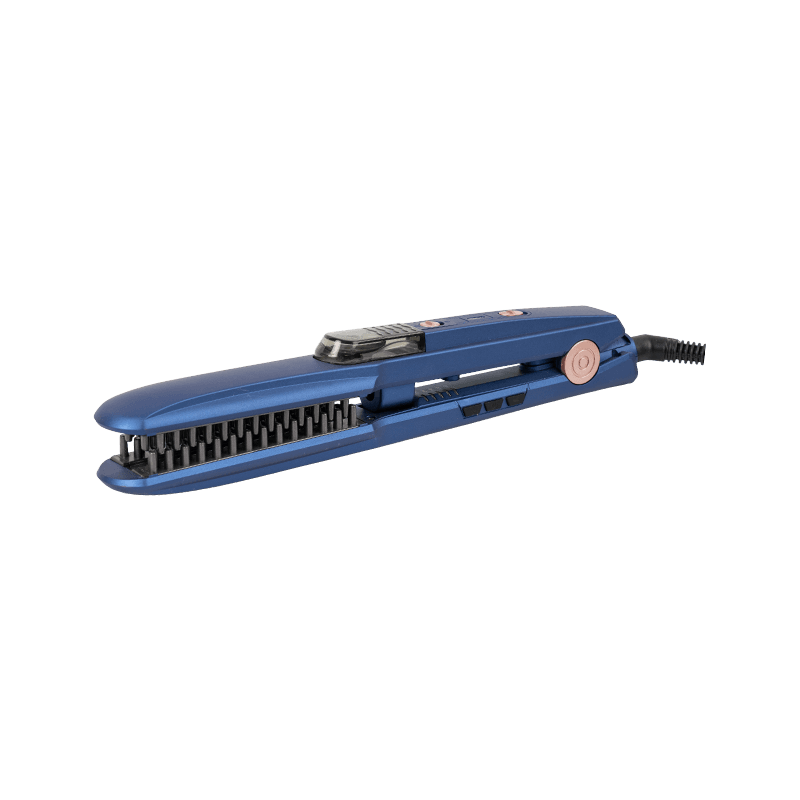
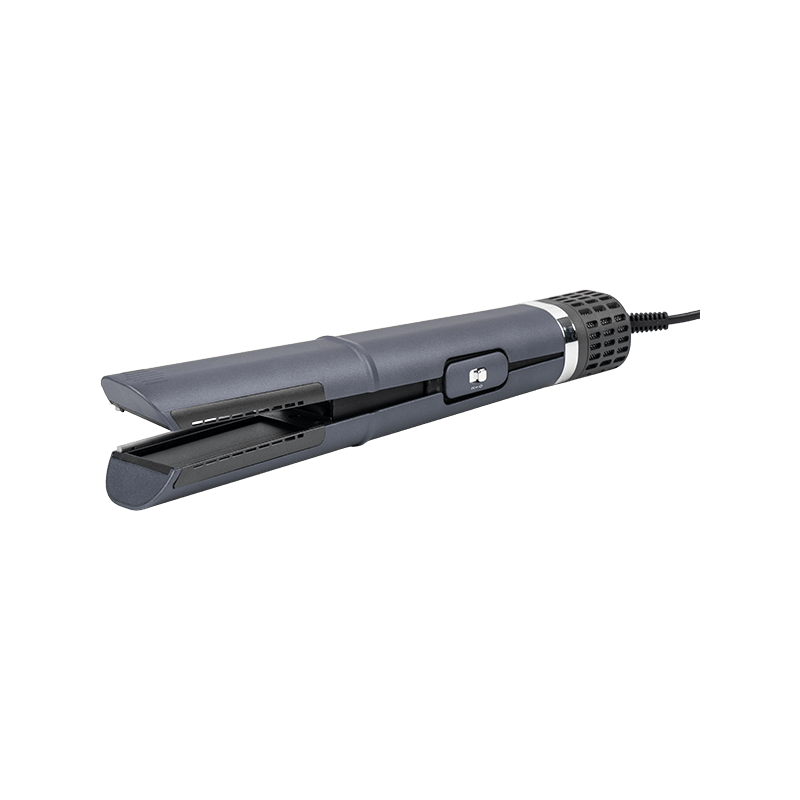
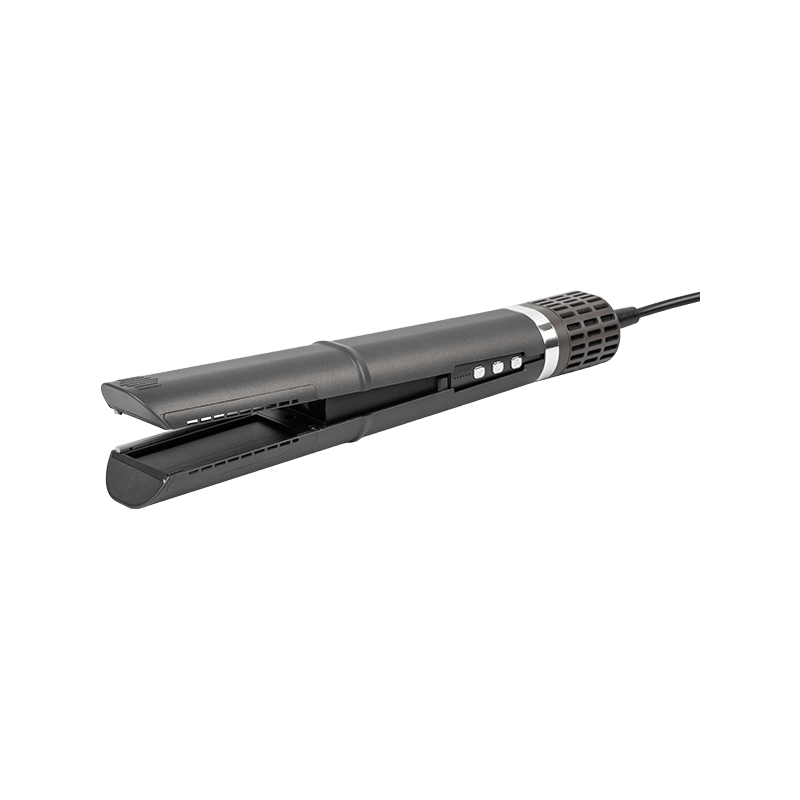
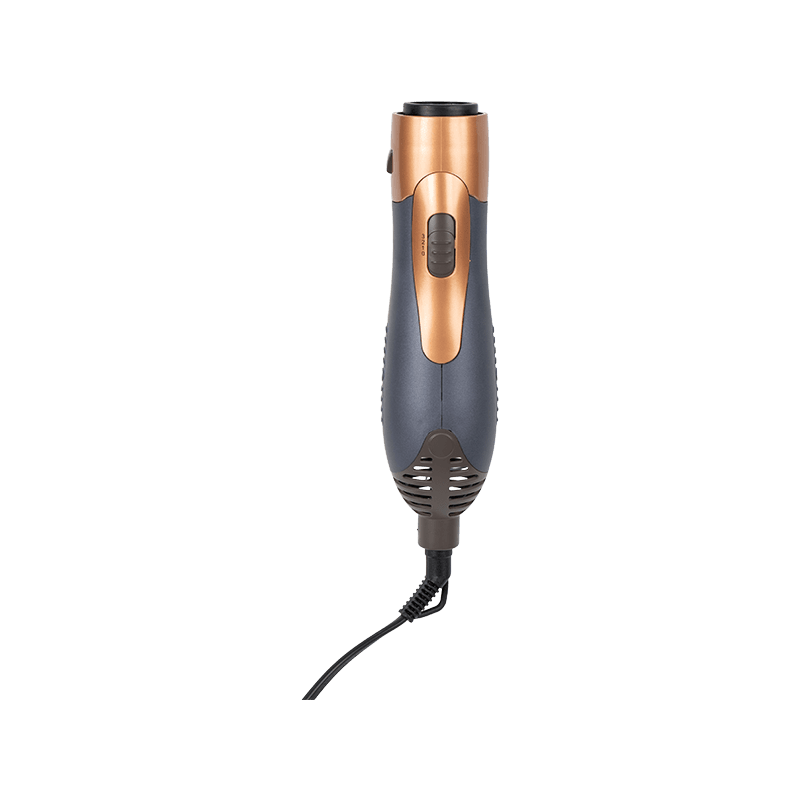
The healthiest hair straightener is one built with full ceramic or tourmaline ceramic plates, a precise adjustable temperature dial rather than a single fixed setting, and even heat distribution across the entire plate surface so no single point runs hotter than the rest. For most hair types, keeping the plate at or under 350F (177C) while using slow, single pass strokes causes far less cuticle damage than a cheaper flat iron run at a fixed high temperature with uneven heat spots.
The plate material matters more than the brand name on the box. Bare metal and low grade ceramic coated plates heat unevenly and tend to snag hair, which forces people to pass the iron over the same section two or three times. That repeated pass, not the straightening itself, is usually what causes the most damage over time.
How Heat Actually Damages Hair Strands
Hair is made mostly of a protein called keratin, held together by hydrogen bonds and disulfide bonds that give each strand its natural shape. Heat styling works by temporarily breaking the weaker hydrogen bonds so the hair can be reshaped, then letting them reform as the strand cools flat. The problem starts when heat also breaks down the protective outer layer of the hair shaft, called the cuticle.
What happens inside the hair shaft at different temperature ranges
| Temperature Range |
Effect On Hair |
Risk Level |
| Under 300F (149C) |
Gentle reshaping of hydrogen bonds, minimal moisture loss |
Low |
| 300F to 380F (149C to 193C) |
Effective straightening for most hair textures with some surface moisture loss |
Moderate |
| Above 400F (204C) |
Cuticle lifting, protein breakdown, visible frizz and brittleness over time |
High |
Once the cuticle starts lifting, hair loses its ability to hold moisture, which is why heavily straightened hair often looks dull and feels rough even after conditioning treatments.
Ceramic Tourmaline And Titanium Plates Compared
Plate material determines how evenly heat spreads and how gently the plate glides through hair. This single factor explains most of the difference between a straightener that leaves hair smooth and one that leaves it frayed.
Comparing the three most common straightener plate materials
| Plate Material |
Heat Distribution |
Best Suited For |
| Ceramic |
Even heat, gentle glide, slower to overheat |
Fine, color treated, or damaged hair |
| Tourmaline ceramic |
Very even heat plus reduced static from negative ion output |
Frizzy or thick hair needing smoothness |
| Titanium |
Heats fast and holds high temperature, less forgiving on damaged hair |
Thick, coarse, or resistant hair |
Straight metal or aluminum plates without any ceramic or tourmaline coating are the least forgiving option, since they heat unevenly and tend to drag on the hair shaft rather than glide across it.
Matching Temperature Settings To Your Hair Type
Using the lowest temperature that still gets the job done in a single pass is the single biggest habit that separates healthy heat styling from damaging heat styling. A higher number on the dial does not straighten hair better, it just increases the risk of overheating strands that did not need that much heat in the first place.
Fine or color treated hair styled above 380F shows measurably faster moisture loss than the same hair styled at 300F to 320F
Recommended temperature ranges based on hair type and condition
| Hair Type |
Recommended Range |
Notes |
| Fine or thin hair |
250F to 300F |
Very responsive to heat, needs the least |
| Color treated or chemically processed hair |
280F to 320F |
Already weakened bonds need lower heat |
| Medium density hair |
320F to 350F |
Standard range for most people |
| Thick or coarse hair |
350F to 400F |
Highest range, still avoid going above 410F |
Features That Make A Straightener Gentler On Hair
Beyond plate material and temperature range, a handful of design features consistently separate a healthier straightener from a harsher one.
- An adjustable temperature dial with clear numbers, rather than a single low, medium, high switch that hides the actual plate temperature.
- Floating plates that adjust slightly to the thickness of the hair section, which reduces pressure points that concentrate heat.
- Negative ion output, which helps seal the cuticle flatter and reduces the frizz that leads people to reapply heat.
- An automatic shut off timer, which limits how long the plates stay hot if the tool is accidentally left on.
- A narrower plate width for shorter or finer hair, since a plate too wide for the section forces slower, repeated passes that add up to more total heat exposure.
Habits That Make Straightening More Damaging Than It Needs To Be
Most of the damage attributed to straighteners actually comes from how the tool is used rather than the tool itself. The habits below are the most common causes of avoidable heat damage.
Common straightening mistakes and healthier alternatives
| Mistake |
Why It Damages Hair |
Healthier Alternative |
| Straightening damp hair |
Trapped moisture boils inside the strand under heat |
Blow dry hair fully before using the flat iron |
| Skipping heat protectant |
Cuticle has no barrier against direct plate contact |
Apply a heat protectant spray before every session |
| Multiple passes over the same section |
Repeated heat exposure compounds cuticle damage |
Use a lower speed, single slow pass instead |
| Using the highest heat setting by default |
Most hair does not need maximum heat to straighten |
Start at the lowest effective temperature and raise only if needed |
Signs Your Current Straightener Is Too Harsh For Your Hair
A straightener that suits your hair type should leave strands smooth and glossy after one pass, not dry or rough to the touch. Frequent snapping sounds while styling, visible white flecks on the plates after use, or hair that feels straw like by the end of the week are all signs the plate temperature or material is not matched to the hair being styled.
How Often Straightening Stays Safe For Most Hair Types
Frequency matters as much as temperature. Even a gentle ceramic straightener used daily on already fragile hair will eventually show cumulative damage, while the same tool used two or three times a week on healthy hair with proper protection tends to hold up well over time.
General frequency guidance based on hair condition
| Hair Condition |
Suggested Frequency |
| Healthy, undamaged hair |
Up to three to four times per week |
| Color treated or previously damaged hair |
One to two times per week |
| Chemically relaxed or bleached hair |
Once a week or less, with heat protectant every time |
Frequently Asked Questions About Choosing A Healthier Straightener
Is a ceramic straightener always healthier than a titanium one
Not always. Ceramic tends to be gentler for fine, color treated, or damaged hair because it heats more evenly at lower temperatures. Titanium is not inherently harsher, but it heats faster and holds higher heat, which makes it easier to accidentally use more heat than the hair actually needs.
Does a higher price always mean a healthier straightener
Price is not a reliable indicator on its own. What matters is whether the plates are genuine ceramic, tourmaline, or a quality titanium alloy, whether the temperature dial is accurate, and whether the heat spreads evenly across the entire plate rather than concentrating near the center.
Can a straightener with ion technology fully prevent heat damage
No single feature eliminates heat damage entirely, since any direct heat applied to hair carries some risk. Ion technology reduces frizz and static and can shorten the number of passes needed, which indirectly lowers total heat exposure, but a heat protectant and an appropriate temperature setting still matter more.
What temperature should someone with fine hair use
Fine hair typically responds well between 250F and 300F. Going above this range rarely improves the straightening result and increases the chance of dryness and breakage over repeated use.
Is it healthier to straighten hair less often at a higher temperature or more often at a lower temperature
Lower temperature used more consistently is generally gentler on the hair shaft than occasional high heat sessions, since extreme heat spikes cause more cuticle damage per session than moderate heat does, even when the moderate heat is applied more frequently.


 English
 Español