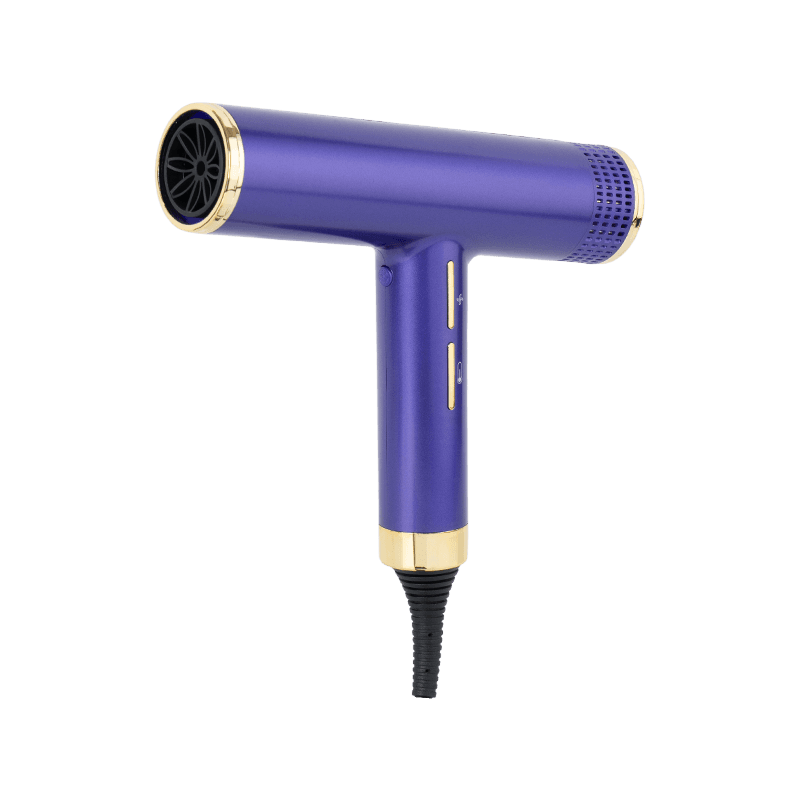
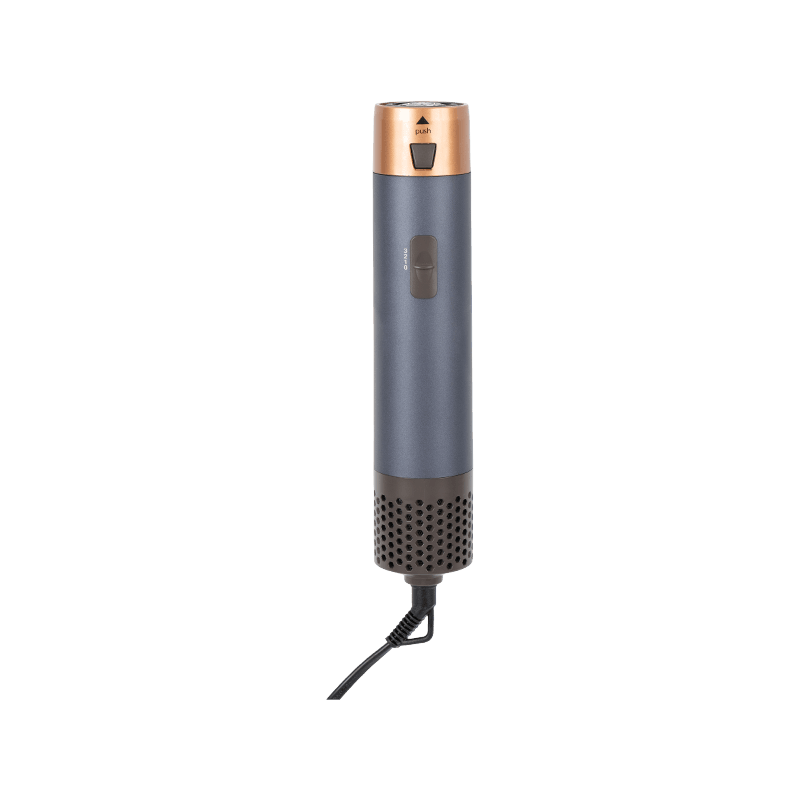
A blow dryer diffuser is a wide, cup-shaped attachment that breaks a dryer's concentrated stream of air into many gentler streams. Its purpose is to dry hair without flattening, separating, or frizzing it. Curls stay defined, waves keep their bend, and even straight hair gains root lift without the rough finish a standard nozzle can leave behind.
If you have ever aimed a bare blow dryer at damp curls and watched them turn into a cloud of frizz, you already know the problem. The diffuser solves it by changing how the air reaches your hair—not how much air the dryer produces. That is the core answer to what a blow dryer diffuser does, and it is why stylists keep this attachment close by.
What Does a Blow Dryer Diffuser Do to Airflow?
The motor in a hair dryer pushes air out at high speed. A standard concentrator nozzle funnels that air into a narrow, forceful jet. A diffuser does the opposite: it spreads the jet across a wide bowl, often with prongs or fingers, so the air is distributed over a larger part of the head at much lower pressure.
That wider, softer airflow is the key. It allows the hair's cuticle to lie flatter while water evaporates, which reduces frizz and helps natural texture hold its shape. Use it near the roots, and the upward cradle motion also gives fine or flat hair noticeable volume.
For best results, you still need enough heat and time to dry the hair properly; the difference is in control, not speed.
| Aspect |
Standard Concentrator Nozzle |
Diffuser Attachment |
| Airflow pattern |
Narrow, fast jet that hits one spot |
Wide, soft flow over a large area |
| Effect on hair |
Flattens the cuticle and separates curl clumps |
Keeps cuticles smoother and preserves curl groups |
| Best for |
Smooth blowouts, straightening, quick targeted drying |
Curls, waves, root volume, and gentle drying |
| Drying experience |
Fast on flat sections, uneven on textured hair |
More even from root to end, with less frizz |
The practical difference comes down to airflow spread, not total air volume.
Who Should Use a Diffuser?
Anyone can use a diffuser, but it matters most for people whose hair is easily disturbed by strong airflow. The main candidates are:
- Curly hair: Diffusing keeps curl clumps together and prevents the “puffball” effect caused by direct high-speed air.
- Wavy hair: It preserves the natural S-shape and adds body without straightening the wave.
- Straight, fine hair: Cradling the roots with the bowl encourages lift and makes flat roots look fuller.
- Thick or dense hair: Even air penetration through sections speeds up drying without blowing strands out of place.
If you are comparing styling tools, a hot air brush works on a similar idea of controlled airflow, but it combines brushing with heated air instead of just drying. This guide to how a hot air brush works explains the difference in practical terms.
How to Use a Blow Dryer Diffuser, Step by Step
The technique is as important as the attachment itself. Here is the sequence that works for most hair types.
- Start with damp, not soaking, hair. Gently press out excess water with a microfiber towel and apply a leave-in conditioner, curl cream, or styling foam.
- Attach the diffuser to the dryer and set the heat to low or medium. Keep the fan speed low as well—high fan speed will blow the curl apart.
- Lower your head to one side. Let a section of hair rest in the bowl of the diffuser, with the prongs against the scalp.
- Hold the bowl in place for about 10–15 seconds, then release the hair and move to the next section. Let the heat set the curl instead of moving the dryer constantly.
- Work from the back of the head to the front, lifting sections toward the scalp to build root volume.
- Finish with the cool-shot button to close the cuticle and lock in the shape.
Consistency matters more than speed. Moving the diffuser too fast dries the surface while leaving the underneath damp, and that is exactly how frizz starts. A dryer with self-cleaning vents can help maintain the same soft airflow throughout the process, because blocked airflow passages make the diffuser less effective.
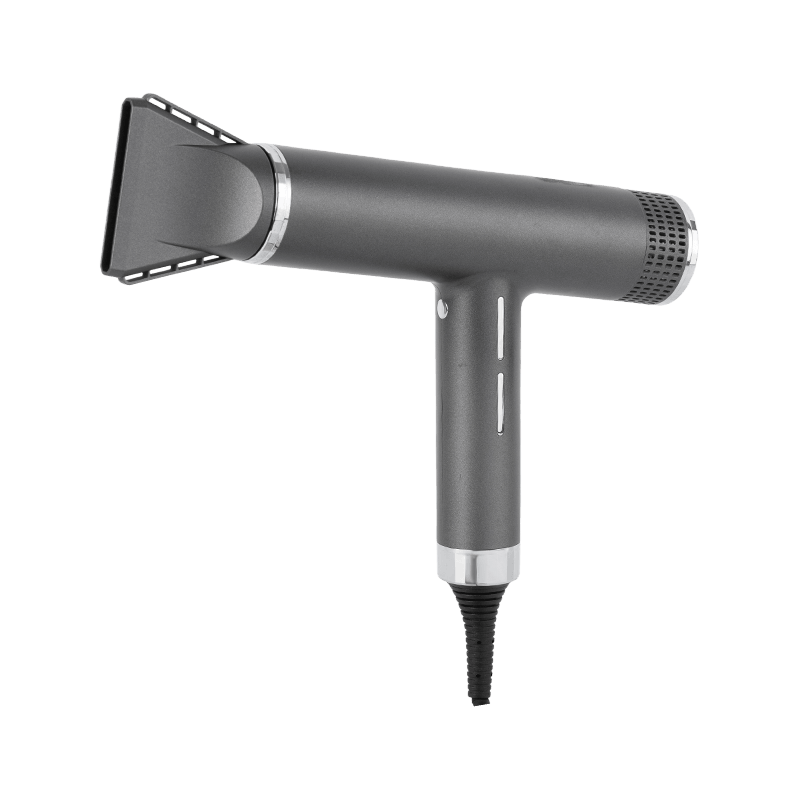
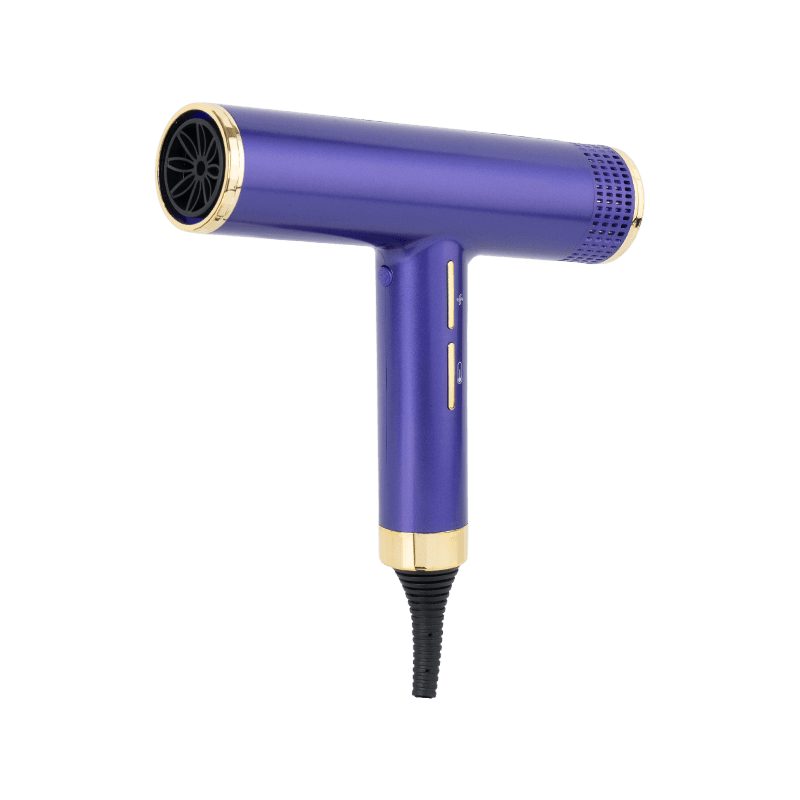 JYS-D20 Self-Cleaning Hair Dryer for Consistent Diffuser AirflowIts self-cleaning vents prevent blockages that reduce diffuser effectiveness, while the BLDC motor and anti-flyaway nozzle help maintain low pressure and even heat to flatten the cuticle and control frizz.View Product →
Why Airflow Control Makes the Difference
When a narrow blast of hot air hits the hair shaft, it pushes the cuticle up and separates the strands. The result is rough, fuzzy hair. A diffuser lowers the pressure while keeping the drying temperature consistent, so the cuticle stays flatter and the hair keeps its intended shape.
Wider airflow + lower pressure = smoother cuticles, fewer flyaways, and better-defined waves.
This is not about using cold air. You still need enough heat to evaporate moisture. The advantage is that the heat is delivered evenly instead of concentrated on a small spot, which makes the drying process easier on both styling results and the hair fiber itself.
For stylists and home users alike, a dryer with a stable DC motor is helpful because it holds a constant airflow over a full head of hair. Prolonged styling sessions are less likely to overheat or slow down, and the diffuser attachment can work its way through each section calmly.
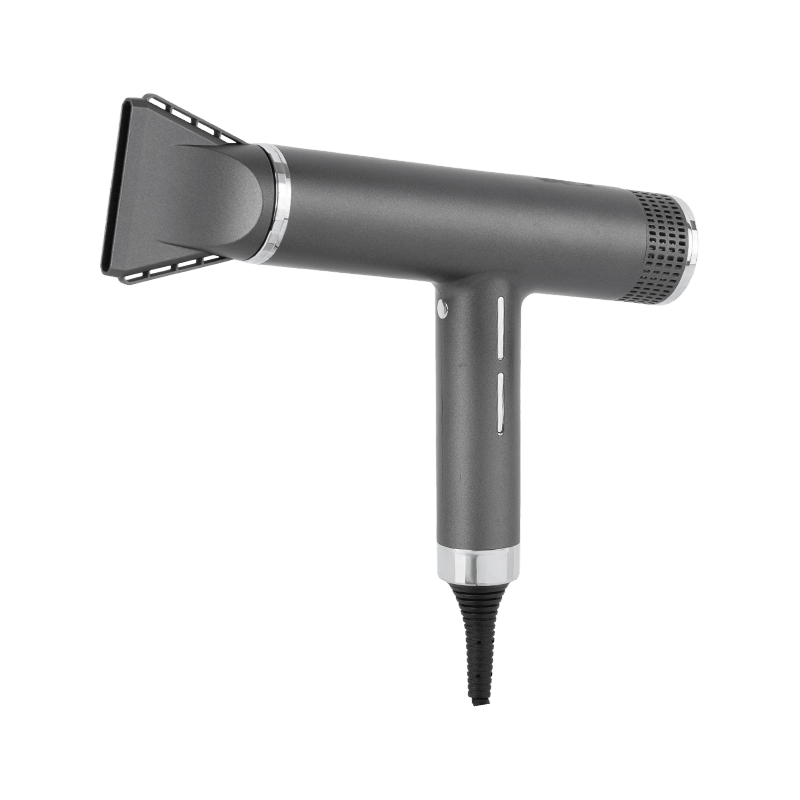 JYS-D20-B DC Motor Dryer with Versatile Removable DiffuserThe stable DC motor sustains constant airflow during long styling sessions, and the removable bowl diffuser can be swapped with concentrators for precision drying or frizz smoothing as needed.View Product →
What to Look for in a Diffuser
There are two basic formats: a removable bowl-shaped diffuser that clips or twists onto the dryer nozzle, and a dryer that comes with a fixed diffuser head. Removable types are more flexible because you can swap between a concentrator and the diffuser depending on the style you want.
A good diffuser should have a wide bowl, long prongs, and openings that allow air to escape without losing too much pressure. It should fit securely onto your dryer nozzle. For durability, check that the plastic is heat-resistant and the attachment does not wobble. On the dryer side, low heat and low speed settings matter more than maximum wattage.
Common Diffusing Mistakes and How to Fix Them
Even with the right attachment, a few habits can undo the benefits. The table below shows the most common error pattern and the correction.
| Mistake |
Why It Hurts |
Better Approach |
| Using the highest heat and speed setting |
High heat can set frizz before the hair is dry, and fast air forces curl clumps apart. |
Use low or medium heat, keep fan speed low, and move the bowl gently. |
| Diffusing soaking wet hair |
Water and heat together swell the cuticle, which creates more frizz. |
Towel-dry with a microfiber cloth before applying any heat. |
| Pushing the bowl hard into the scalp |
It flattens the hair against the head and reduces root lift. |
Rest hair on the prongs, then cup upward without pressing down. |
| Keeping the dryer in one spot |
One section overheats while neighboring sections stay wet. |
Work in small circular motions and keep the bowl moving. |
| Pointing airflow downward from the top of the head |
It flattens roots and makes curls hang heavy. |
Tilt your head or hold the bowl underneath each section. |
Most diffuser problems come from treating the attachment like a standard nozzle.
In practical terms, a diffuser changes a dryer from a precision blaster into a broad, gentle airflow tool. If you are choosing a dryer to use with a diffuser, look for adjustable heat control, a stable motor, and a bowl shape wide enough to hold sections without crushing them. The attachment cannot replace good technique, but it does remove the most common cause of frizz: harsh air pressure.


 English
 Español