Picture the 7 a.m. routine: hair washed the night before, still damp at the roots, and twenty minutes of blow-drying standing between you and a smooth finish. That is the exact problem a wet to dry flat iron is built to solve. A true wet-to-dry model takes towel-dried hair to a finished style in a single pass and can trim 10-20 minutes from a morning routine — but only when the tool is genuinely engineered for moisture, not a standard flat iron pushed onto damp hair. The difference is not marketing. It comes down to plate vents, temperature control and how the machine handles steam, and those details are exactly what this guide walks through.
What a Wet to Dry Flat Iron Actually Does
A wet to dry flat iron has one defining job: it evaporates the moisture left after towel-drying and presses the cuticle smooth in the same motion. Three design features separate it from a conventional iron:
- Vented or slotted plates channel steam out and away from the strand instead of trapping it against the plate surface.
- Wet mode follows a controlled temperature curve that dries first and presses second, so the strand is never clamped between two hot plates while saturated.
- A separate dry mode works like a conventional straightener for next-day touch-ups on fully dry hair.
The reason the distinction matters is physical rather than cosmetic. When an ordinary flat iron meets damp hair, water inside the cortex flashes into steam above 100°C and pushes tiny bubbles into the strand — a damage pattern stylists call bubble hair. Affected sections turn rough, weak and prone to snapping, and no conditioner repairs them. A purpose-built wet-to-dry design manages that moisture instead of sealing it inside the hair.
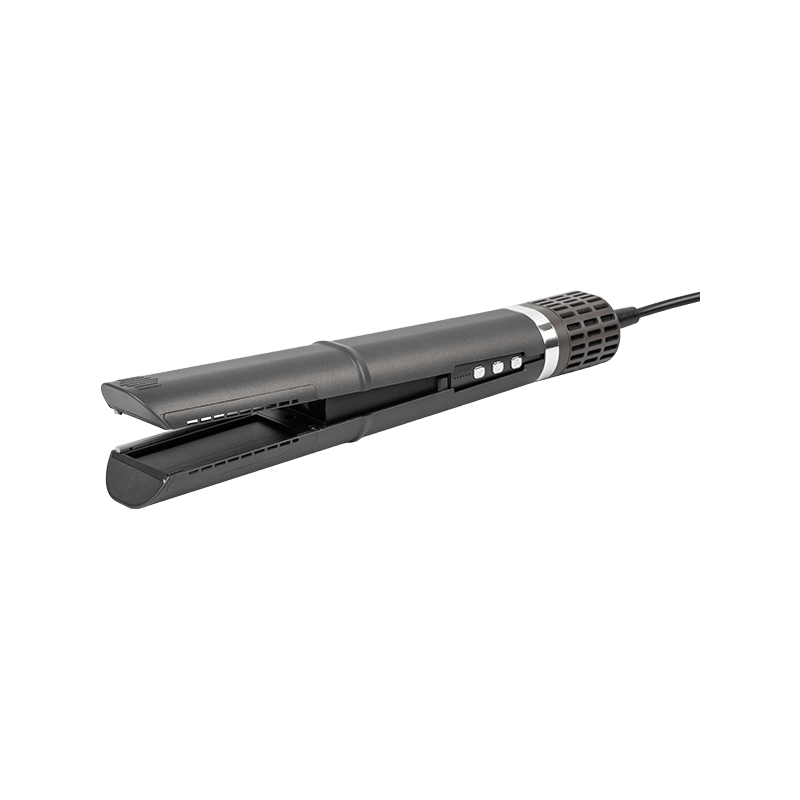
Production models combine these features in different ways. Our professional 2-in-1 wet-dry high-speed straightener, for example, pairs a dedicated wet mode with a fast dry mode so a single tool covers both the post-shower routine and later touch-ups:
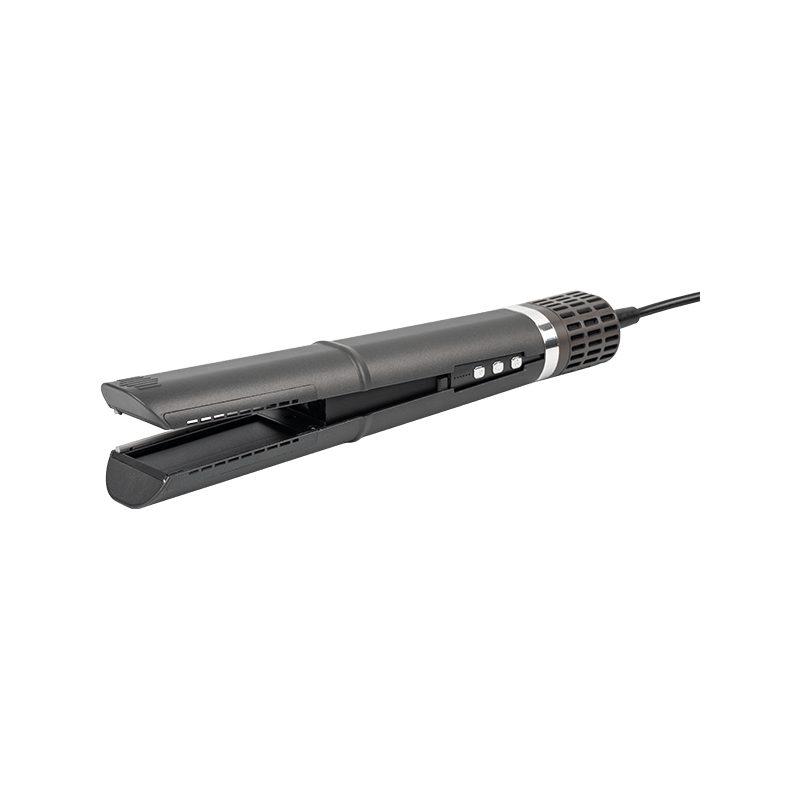 JYS-C6 Professional 2-in-1 Wet & Dry High-Speed Hair StraightenerThis 2-in-1 straightener dries and straightens damp hair in one pass with its 110,000 RPM BLDC motor, 9 temperature settings, and energy-saving mode — covering both post-shower styling and quick touch-ups with a single tool.View Product →
Wet to Dry vs. Conventional Flat Iron: The Practical Differences
Seen side by side, the two tools split along the points a buyer actually feels: where the drying step happens, how many passes each section needs, and what happens when hair is still slightly damp.
| Factor |
Wet to Dry Flat Iron |
Conventional Flat Iron |
| Starting hair condition |
Towel-dried, about 70-80% dry |
Fully dry, with heat protectant |
| Drying step |
Built in; plates vent steam while you style |
Separate blow-dry or air-dry first |
| Time from shower to finish |
Often 10-20 minutes shorter on shoulder-length hair |
Blow-dry time plus straightening passes |
| Passes per section |
Usually one slow pass |
One to three passes |
| Risk on damp hair |
Low; the design manages residual moisture |
High; trapped water boils and forms bubbles in the strand |
| Best suited to |
Busy mornings, thick or wavy hair, one-tool travel kits |
Users who blow-dry for volume before straightening |
Table: wet to dry flat irons versus conventional flat irons across hair condition, time, passes and misuse risk.
How to Use a Wet to Dry Flat Iron, Step by Step
Wet-to-dry styling rewards a slower, more deliberate technique than dry straightening. This is the sequence our engineers teach first-time users:
- Towel-dry, then air-dry or rough-blow-dry to about 70-80 percent dry. The vents are sized for residual moisture, and dripping hair overloads them.
- Detangle completely and clip the hair into four to six sections so every pass meets an even path.
- Set the temperature 20-30°C lower than your usual dry-hair setting; internal moisture softens the strand, so heat does not need to work as hard.
- Clamp at the root and glide at roughly half your normal speed, one pass per subsection.
- Let the section cool before judging the result, then decide whether a second pass is genuinely needed.
- Finish with cool air or a light leave-in to settle the cuticle and hold the smooth surface.
Temperature Settings That Protect Your Hair
Fine or chemically treated hair: 150-170°C (300-340°F). Medium hair: 175-195°C (350-385°F). Coarse, curly hair: 195-210°C (385-410°F).
These are the working bands that stylists and manufacturers converge on for repeated daily use. Two signals tell you a setting is wrong: a faint burnt smell means the plates are hotter than the hair needs, and a cooled test section that holds no wave at all means you have room to go lower. Because wet mode dries and shapes at once, most users finish comfortably below their usual dry-hair temperature and still get a flat, glossy result.
Heat damage is cumulative rather than dramatic. Repeated daily passes well above 185°C gradually dull the cuticle and dry the ends, which is why the lower, slower approach wins over weeks of use. Plate and mode technology matter here as well — we compare which straightener types are kindest to hair in a separate guide.
Five Mistakes That Ruin Wet-to-Dry Results
Most disappointment with wet styling traces back to five repeatable habits, and each has a simple fix:
| Common Mistake |
What to Do Instead |
| Running the plates over dripping-wet hair |
Towel-dry and rough-dry to 70-80 percent first; the tool is made for residual dampness, not standing water. |
| Pausing or clamping on one spot |
Keep the plates moving; a stalled press boils the moisture in that patch and scorches it. |
| Starting at maximum heat on wet mode |
Begin 20-30°C below your dry-hair setting and raise it only if a cooled section still holds a wave. |
| Skipping the plate wipe-down |
Wipe the plates with a damp cloth once fully cool; residue from wet styling bakes on quickly. |
| Re-passing hair that is still warm |
Wait until the strand is cool to the touch; warm hair stretches and over-presses. |
Table: five common wet-to-dry flat iron mistakes and the corrective habit for each.
What to Check Before You Buy
Between wet modes, plate coatings and motor claims, product listings can be noisy. These are the checks our engineers run before any wet-to-dry model enters a product range:
- A genuine wet mode — vented plates or an explicitly specified dual wet/dry design, not just a steam function added on.
- Adjustable temperature with a visible setting, because a single fixed heat cannot serve fine and coarse hair safely.
- Floating plates that keep even pressure when a section is still slightly damp.
- Durable ceramic or titanium coatings, since residue lifted during wet styling is harder on plate surfaces.
- Everyday practicality: a swivel cord of roughly two meters, dual voltage for travel and a heat-resistant pouch.
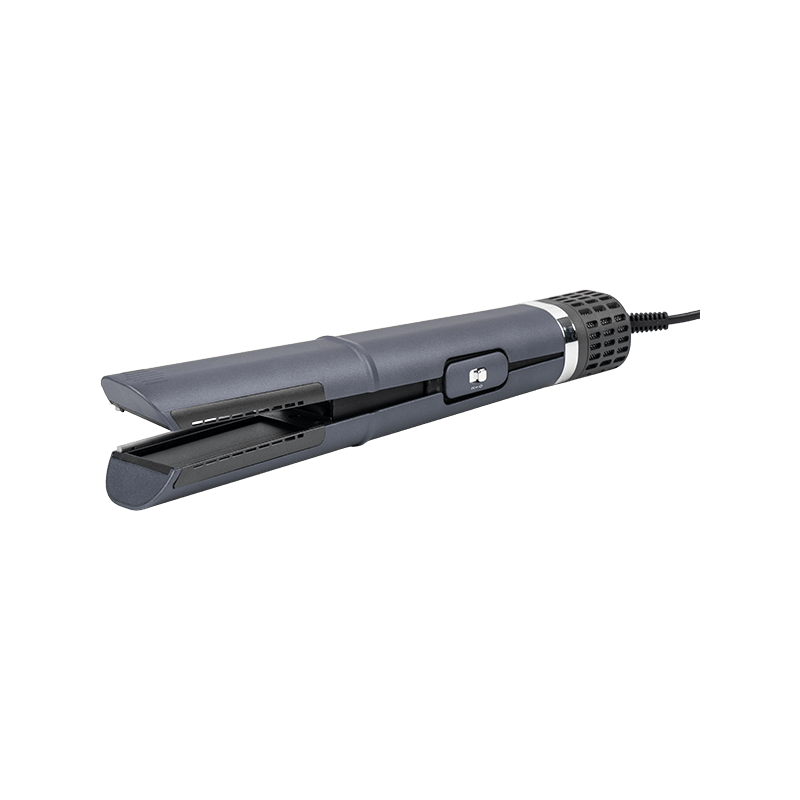
Body size matters more than most buyers expect, too. A compact frame is easier to control on small subsections and packs easily for trips — our compact 2-in-1 wet-dry straightener was designed around exactly that trade-off:
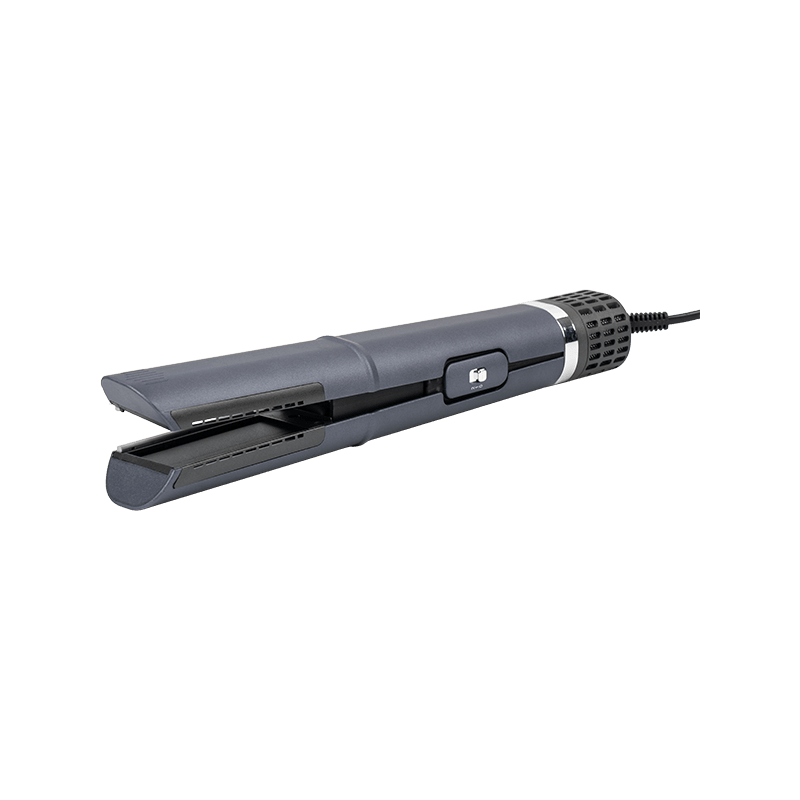 JYS-C6-B Compact 2-in-1 Wet & Dry Hair StraightenerA smaller frame makes this wet-to-dry straightener easier to control on small sections and simpler to pack for trips, while elastic protection strips, a 200-hour DC motor, and built-in safety features support everyday wet styling.View Product →
Care and Safety Notes
Unplug the iron after every session and let the plates cool before it goes into a drawer, because trapped heat shortens coating life. Wipe the plates with a slightly damp cloth once they are fully cool — residue from wet styling bakes on harder than dry-product dust. Coil the cord loosely rather than wrapping it tight around the body, and store the tool in a heat-resistant pouch. For buyers sourcing for retail, certification belongs in this same conversation: models bound for European shelves should carry marks such as CE, CB and TUV GS, which cover safety and energy requirements beyond styling results alone.
One last point on routine design: a wet to dry flat iron is a tool for time-pressed days, not the only way to style. If your hair is fine, fragile or chemically treated, alternating between wet styling and dry styling with added hydration spreads the heat load across the week. An ultrasonic steam mist hydrating straightener works on dry hair while returning moisture during the pass, which makes it a practical partner tool:
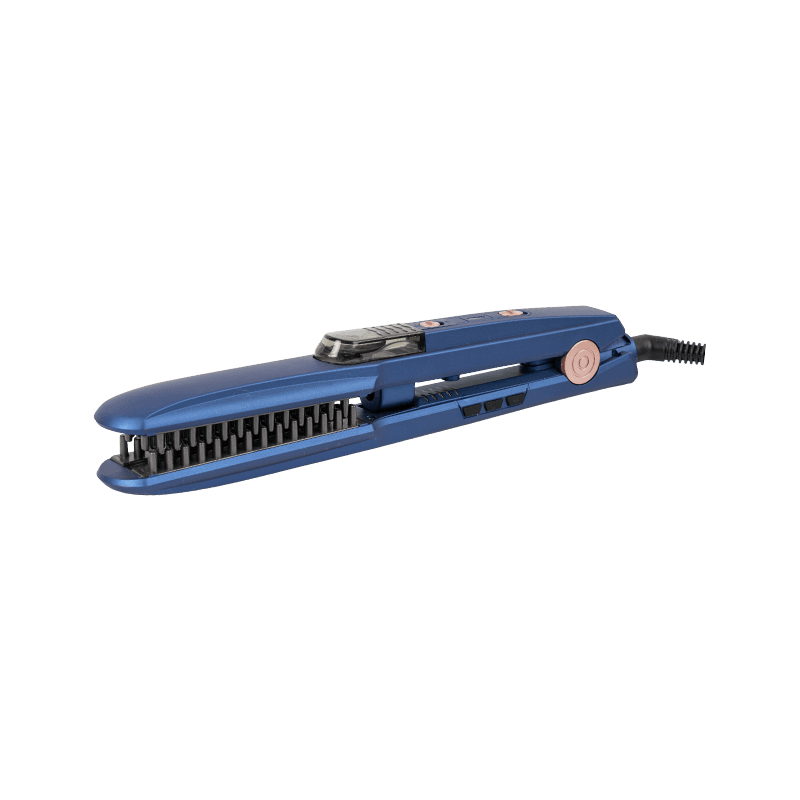 JYS-C3 Ultrasonic Steam Mist Hydrating Hair StraightenerAlternating wet styling with dry passes helps protect fine or chemically treated hair, and this ultrasonic steam straightener returns moisture while styling dry hair, with five heat settings and a removable water tank.View Product →
We build and test straighteners like these for brands and retail chains in more than 30 countries as an ODM/OEM hair care appliance manufacturer, and the checklist above is the same one our product team applies to every new model before it ships.


 English
 Español